


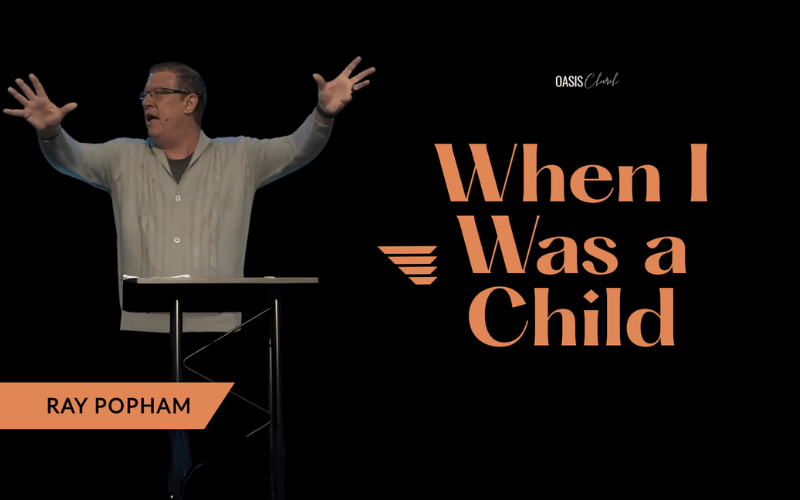
When I Was a Child: How Childhood Experiences Shape Our Faith and Future
Our childhood experiences have a profound impact on how we love, use our gifts, and live out our faith as adults. The Apostle Paul understood this when he wrote in 1 Corinthians 13:11, “When I was a child, I spoke and thought and reasoned as a child. But when I grew up, I put away childish things.” This verse, nestled between chapters about spiritual gifts and love, reveals something crucial about spiritual maturity.
The Foundation: Training Up a Child
Proverbs 22:6 tells us to “train up a child in the way he should go, and when he’s old, he’ll not depart from it.” This isn’t about forcing children into our mold, but rather discovering their unique design and helping them flourish according to God’s plan for their lives.
The Hebrew word for “train” means to equip for a future purpose – to prepare them for something, not just give them information. It’s about teaching them how to think, speak, and reason, not what to think.
Seven Childhood Experiences That Shape Us
There are seven key childhood experiences that either empower us to live in our destiny or imprison us from reaching our full potential:
1. Words Spoken Over You
The words spoken over us as children brought either life or death, shaping how we speak, think, and love others.
2. Encouragement Given to You
We either received encouragement that built us up or lacked encouragement, causing us to bury our gifts and potential.
3. Space Allowed for You
We were either freed to be ourselves or forced to be someone else, affecting our ability to embrace our authentic identity.
4. Security Provided to You
The environment created around us either made us feel safe or scared, impacting whether we believe we’re here for God’s use or man’s abuse.
5. Celebration of You
We were either celebrated and allowed to shine or shamed and prevented from exploring who God intended us to be.
The Sixth Experience: Equipping That Was Done With You
The equipping we received as children either helped us or handicapped us. There’s a crucial difference between teaching and training. Teaching gives information, but training equips for a future purpose.
What Healthy Equipping Looks Like
When we’re properly equipped, we’re prepared for life rather than constantly trying to repair our lives. We learn to view life as something we can thrive in, overcome challenges, and move forward from setbacks.
Healthy equipping involves:
- Learning basic life skills like handling emotions and conflict
- Making godly decisions using God’s guidance
- Building and nurturing healthy relationships
- Being given tools and opportunities to explore and try new things
When Equipping Goes Wrong
When we’re handicapped rather than equipped, our dreams are discouraged as unrealistic. We’re kept dependent rather than prepared for independence. We witness dysfunctional patterns in handling stress, differences, and emotions.
Many people mistake generational patterns for generational curses. Most of what we call “generational curses” are simply learned patterns that require discipleship and God’s Word to break, not deliverance.
God’s Preparation vs. Our Preparation
Here’s a powerful truth: God isn’t preparing something for you to do – He’s preparing you for what He already planned long ago. Ephesians 2:10 tells us we are “God’s masterpiece, created anew in Christ Jesus to do the good works he planned for us long ago.”
The works you’re designed to do have already been prepared. You’ve been prepared for thriving, not patterned for surviving. God has already imagined what a great life would look like for you, and He has a plan that accounts for anything that might try to interfere.
The Seventh Experience: Love That Was Shown to You
The love we experienced as children was either uncaused (unconditional) or caused (conditional). This shapes how we both receive and express love throughout our lives.
Uncaused Love
God loves us with an everlasting, unfailing love (Jeremiah 31:3). This love is based on our being, not our doing. We don’t have to earn it or perform for it. Even when God corrects us, it’s because we’re His children, not because His love has changed.
The Impact of Conditional Love
When love is conditional, it becomes transactional rather than transformational. We use our gifts, resources, and talents only for certain people at certain times, depending on what we might receive in return.
The Prodigal Son: A Picture of Uncaused Love
The story of the prodigal son illustrates God’s uncaused love perfectly. The father never stopped loving his son or looking for him. When the son returned, there was no earning back of love – just immediate restoration and celebration.
When love is present, restoration can happen overnight. When love must be earned, that’s not restoration at all – it’s transaction.
Moving Forward: Three Essential Steps
1. Hear from the Lord
Let God’s voice drown out the other voices and lies you’ve heard. Healing involves acknowledging wounds, bringing them under the blood, releasing forgiveness, rejecting lies, and replacing them with truth.
2. Look for Imitators
Find people in your life who model Christ-like behavior. You don’t need people from your past to heal your future – God has put people in your future to help heal your past.
3. Head into Your Design
It’s never too late to become what you should have been. Give credit where credit is due and look to your future with hope.
Life Application
This week, focus on recognizing the people God has placed in your life who have equipped you and shown you uncaused love. Instead of dwelling on those who may have imprisoned you with their words or actions, celebrate those who empowered you to become who God designed you to be.
Remember that love is a gift to be given, not a reward to be gained. Practice expressing uncaused love to others, especially in your family relationships and close friendships.
Ask yourself these questions:
- Who in my life has equipped me and shown me unconditional love?
- How can I express uncaused love to others this week?
- What childhood patterns do I need to break through discipleship and God’s Word?
- Am I living from a being-based identity or a doing-based identity?
- How can I help equip and encourage the children in my sphere of influence?
You are God’s masterpiece, created for the good works He planned for you long ago. Your past doesn’t define your future – God’s love and plan for your life does.